 1000h (PEK TIME)
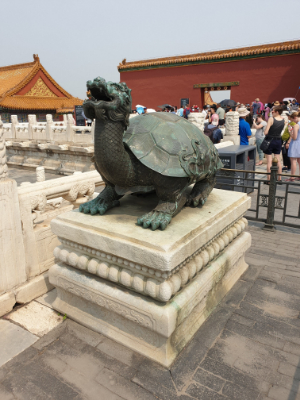
The dragon tortoise represents longevity.
|
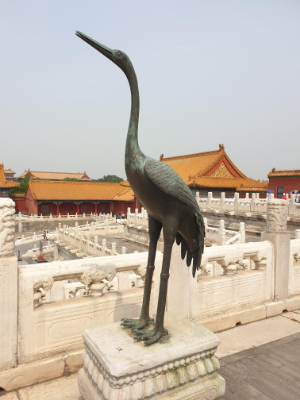
The crane, respected by ancient chinese for its long life, is also regarded as a symbol of immortality.
|
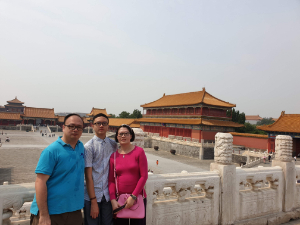
Managed to find an angle with not much people to take this pic.
|
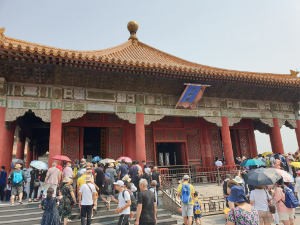
ZhongHoDian. Resting point for the emperor before he makes his way to TaiHoDian for court sessions or ceremonies.
|
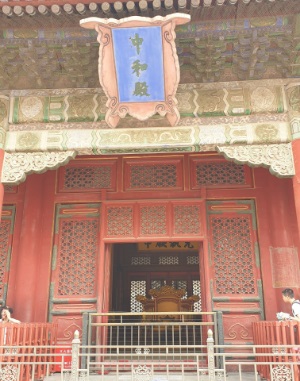
A slightly smaller throne room here.
|
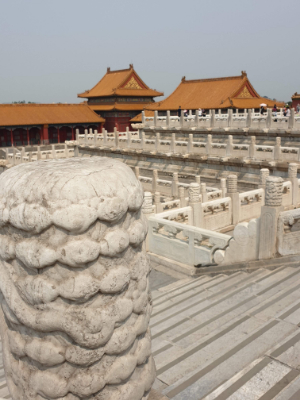
Standing here, looking at the Forbidden City and thinking of the officials, ancients whom walked on the same ground is surreal...
|
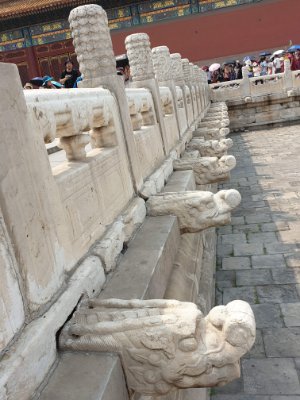
In the event of a flood, there will be water sprouting from the mouths..
|
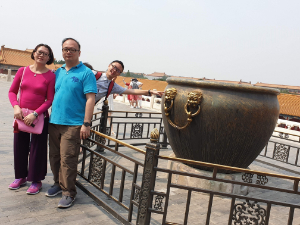
Cheeky boy stretching to touch the vat. These were used to put out any fire within the vicinity.
|
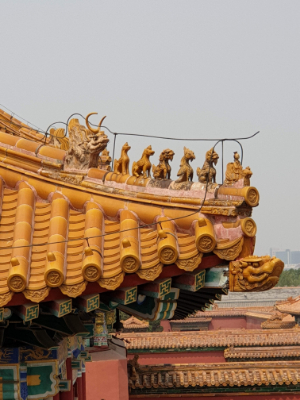
The number of mythical creature on the roof represents the rank of the official there, with 9 being the highest for the emperor.
|
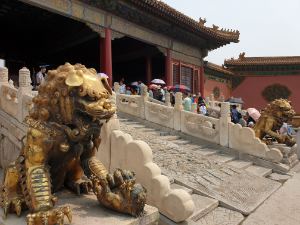
The interesting part about the lion statue here were that the ears are folded down, eyebrows lowered and tongues out. This is to remind the officials not to listen, see and speak of matters of the inner court.
|
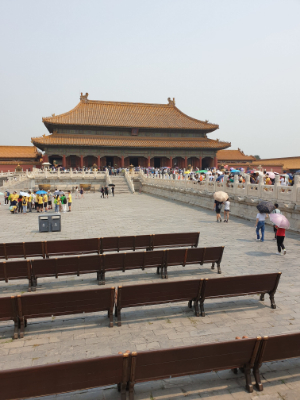
Benches for the tired legs.
|
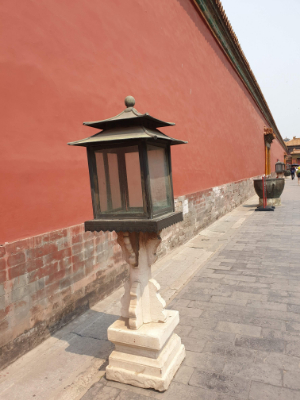
The red walls. Reminds me of the various period dramas.
|
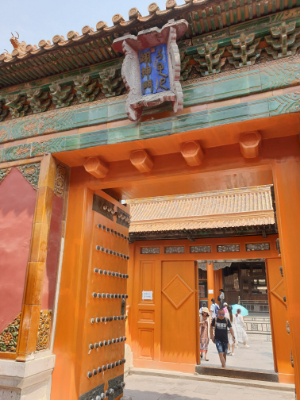
In the inner courts/palaces for the consorts, there is 2 doors. One outer and one inner.
|
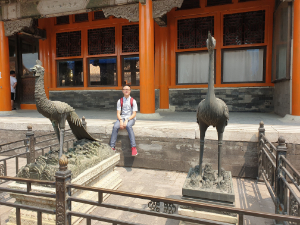
Check out the 3rd mythical creature.
|
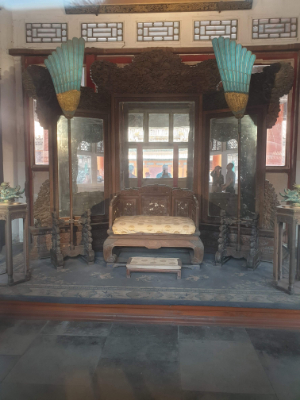
Furniture are still intact. It was said that we can still see furniture and structure in Forbidden City but if you want to see the treasures, go to Gu Gong (National Palace Museum) in Taipei.
|
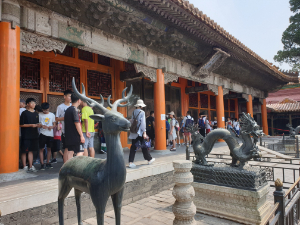
ChuXiuGong. This was where Empress Cixi gave birth to her son.
|
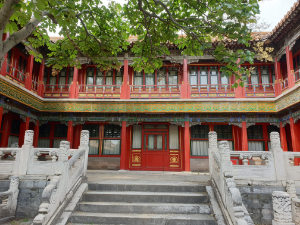
YangXingZhai. Living quarters of Reginald Fleming whom was the tutor of Pu Yi.
|
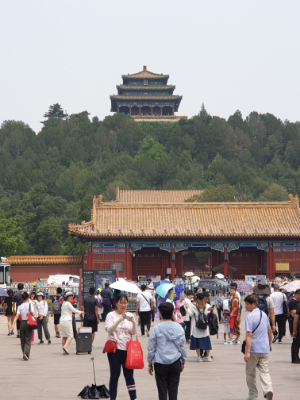
The Pagoda on top is at JingShan Park which oversees the Forbidden City.
|
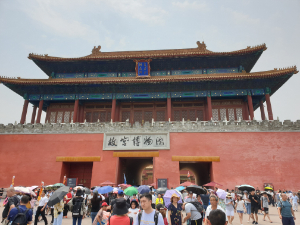
Only exit, no entry here for the Forbidden City.
|
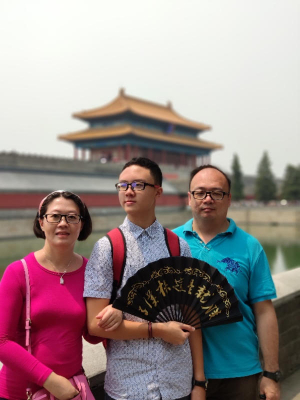
Love this photo taken by our guide. Aiken posing like a ancient scholar with his fan.
|
